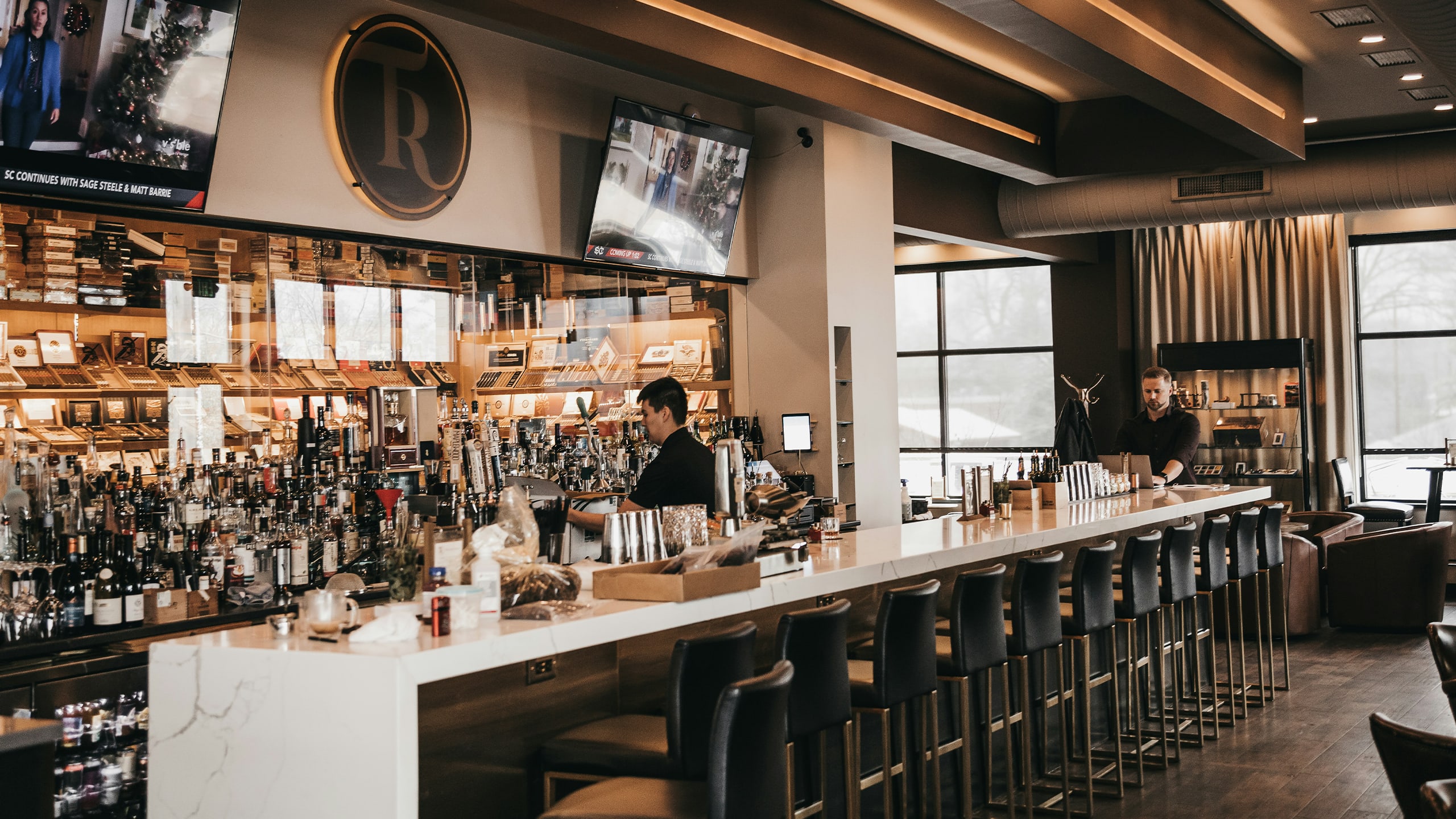
Restaurant employee monitoring works when staff know exactly what is monitored, why, and how the results are used, and when the results are used mainly to train and protect people rather than to catch them. Put it in writing, keep cameras out of private areas, focus on transactions instead of individuals’ every move, review data on a schedule, and share the good results as often as the bad ones.
Most owners do not start monitoring because they love surveillance. They start because the numbers do not add up, or because a manager cannot be at the bar, the host stand and the kitchen at the same time. The risk is that a tool meant to protect the business ends up driving away the people who make it work.
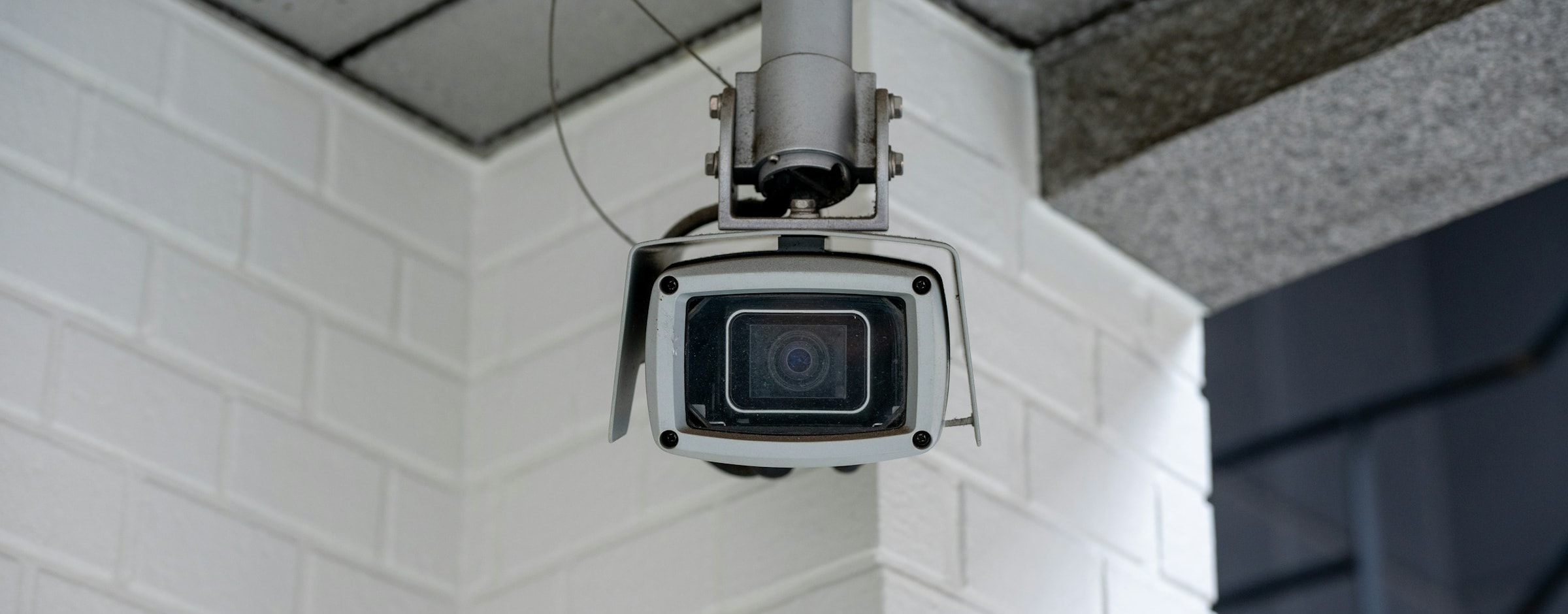
Restaurant employee monitoring works when staff know exactly what is monitored, why, and how the results are used, and when the results are used mainly to train and protect people rather than to catch them. Put it in writing, keep cameras out of private areas, focus on transactions instead of individuals’ every move, review data on a schedule, and share the good results as often as the bad ones.
Most owners do not start monitoring because they love surveillance. They start because the numbers do not add up, or because a manager cannot be at the bar, the host stand and the kitchen at the same time. The risk is that a tool meant to protect the business ends up driving away the people who make it work.
Why Trust Matters More Than Ever
Staffing is still the industry’s hardest problem. In Restaurant365’s 2026 mid-year industry report, recruiting and retaining staff was the top challenge cited by operators, at 32.9%, ahead of food costs at 29.7%. And the National Restaurant Association reports that average hourly earnings in restaurants are up 41% since February 2020.
Every good bartender or server who quits because they feel watched and distrusted costs you recruiting time, training time and service quality. So the question is not only “should we monitor?” It is “how do we monitor in a way good employees welcome?”
Is Firing Staff the Best Option?
When a shortage shows up, the instinct is to find someone and let them go. Sometimes that is the right call. Often it is not.
Many leaks are habits, not schemes: a bartender who learned to “take care of regulars” somewhere else, a server who rings drinks at the end of the table instead of when ordered, a new hire nobody trained on the comp button. Fire that person and the habit stays, because the next hire learns from the same team.
The better default is a clear path:
- Show the specific pattern, with the data.
- Restate the standard and why it exists.
- Retrain on the exact step that went wrong.
- Follow up with the next review, and recognize the improvement.
- Escalate to discipline only when the behavior continues or is clearly deliberate.
Our guide on how to discipline employees and correct performance problems covers the harder conversations.
Monitoring Done Right vs. Monitoring That Backfires
| Builds trust | Destroys trust |
| Written policy shared at hiring | Cameras discovered by accident |
| Focused on transactions and SOPs | Focused on watching individuals |
| Same rules for every shift and role | Used only on “suspects” |
| Results used for coaching and recognition | Results used only to punish |
| Reviewed on a schedule | Reviewed when a manager is angry |
| Private areas never covered | Cameras in break rooms or restrooms |
A 6-Step Policy for Restaurant Employee Monitoring
1. Write it down
Cover what you monitor (cameras, POS activity, timekeeping), where cameras are, who can view footage, how long it is kept, and how it is used. Add it to your employee handbook; our post on creating a restaurant employee handbook has a template structure.
2. Give notice and get acknowledgment
Several US states have explicit notice rules. New York, for example, requires employers that monitor phone, email or internet use to give written notice at hiring and get acknowledgement. Connecticut requires prior written notice of electronic monitoring. Even where the law is silent, a signed acknowledgment avoids surprises. Monitoring rules vary by state and country, so confirm your policy with an employment attorney.
3. Keep cameras out of private spaces
Restrooms, locker rooms and changing areas are off limits. Avoid recording audio unless your lawyer confirms it is lawful where you operate, because many states have consent rules for recording conversations. The Texas Workforce Commission’s guidance on workplace video surveillance is a useful plain-language overview of the issues employers should think about.
4. Monitor the process, not the person
Point cameras at registers, wells and service points, and review transactions against standards. That keeps the focus on “was this drink rung?” rather than “what is Maria doing all night?”
5. Review on a schedule
A weekly review with the same report for everyone is fair. A sudden deep dive into one person’s shifts after an argument is not, and staff can tell the difference.
6. Share the good news
If your monitoring only ever produces bad news, staff will treat it as a trap. Recognize the bartender with the cleanest ring-ups or the fastest ticket times. Our post on how to maximize employee performance has more ideas.

How to Tell Your Team
Do it before the system goes live, in a pre-shift meeting, with the policy in hand. Keep it short:
“We are adding a system that checks drinks served against what is rung in the POS. It applies to every shift and every bartender, including managers who jump behind the bar. It protects you if there is ever a question about your drawer, and it helps us find where training would help. It does not cover the break room or restrooms, and we will share results with you.”
Glimpse’s own support page on what to say to employees takes the same approach: the goal is accountability and improvement, not reprimands or terminations.
Where Glimpse Fits
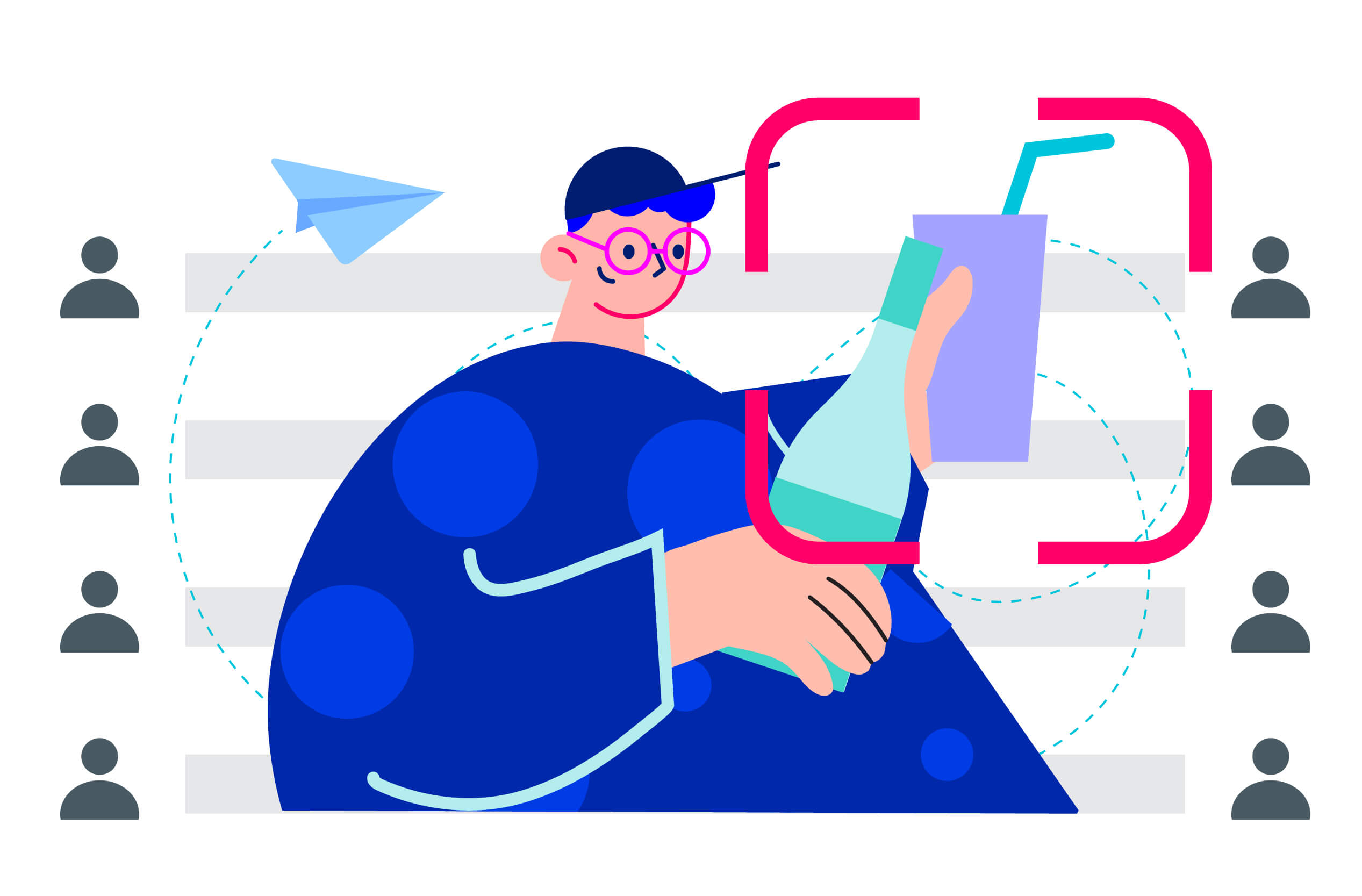
Glimpse video auditing is built around transactions, not people-watching. It uses your existing IP cameras and POS, audits scheduled samples of activity and classifies each audited drink as Compliant, At Risk or Lost, with the image and timestamp. Managers get a short report instead of hours of footage.
That structure supports a fair process. Everyone is measured the same way, the evidence is specific, and good performers get credit. Glimpse sales reports add positive metrics like revenue per employee and average check, so reviews can focus on what someone does well, not only what went wrong.
FAQ: Restaurant Employee Monitoring
Is it legal to put cameras in a restaurant to monitor employees?
Video in work areas is generally allowed in the US, but rules on notice, audio recording and private areas differ by state. Use written notice, keep cameras out of private spaces and confirm with local counsel.
Do I have to tell employees about cameras?
Some states require notice for certain kinds of monitoring, and it is best practice everywhere. Put it in writing at hiring and get a signature.
How do I monitor staff without hurting morale?
Be transparent, apply the same rules to everyone, focus on transactions instead of individuals, and use the results for coaching and recognition.
Final Thought
Good employees are not afraid of accountability. They are afraid of unfairness. Monitoring that is written down, applied evenly and used to make people better protects your margins and your team at the same time. Done that way, the staff who stay are the ones you want to keep.
 Brian Pulgarin


 +1 (786) 292-2373
 insights@glimpsecorp.com